Home › Articles › Buying advice
Baby Registry Checklist: What to Add, What to Skip and Why

This checklist starts from the safety rules set by the U.S. Consumer Product Safety Commission (CPSC), the American Academy of Pediatrics (AAP) and the National Highway Traffic Safety Administration (NHTSA), then adds the gear that makes daily life easier. Each section links to our guide for that product.
Sleep: The First Thing to Add
- Bassinet or bedside sleeper. The AAP recommends sharing a room with your baby, but not a bed, for at least the first 6 months. See our bassinets guide.
- Crib. The AAP says to use a crib, bassinet or play yard that meets CPSC standards. See our cribs guide.
- Crib mattress made for your crib. The AAP says it should be firm and fit tightly.
- Fitted sheets. The AAP says a fitted sheet is the only thing that should be in the crib with your baby.
- Wearable blankets (sleep sacks). For warmth, the AAP suggests layers of clothing or a wearable blanket instead of a loose blanket.
Travel: Car Seat, Stroller, Carrier
- Rear-facing car seat. NHTSA says babies under 1 should always ride rear-facing. Choose an infant seat or a convertible seat; see our car seats guide.
- Stroller or travel system. A travel system pairs an infant seat with a stroller it clicks into. See our travel systems guide and strollers guide.
- Baby carrier. A buckle carrier, wrap or ring sling keeps your hands free. See our carriers guide and the CPSC's sling tips in our babywearing safety article.
Feeding and Home
- High chair, for when your baby starts solids. Most chairs in our high chairs guide start at 6 months on their listings.
- Bottle warmer (optional) if you'll bottle-feed. See our bottle warmers guide.
- Baby monitor. Plan where it goes: the CPSC says corded cameras must stay at least three feet from the crib. See our monitors guide.
- Swing or bouncer for awake time. See our swings guide.
For Later
- Toddler shoes. The AAP says socks are enough until your child walks outside, so register for a gift card or a size up. See our toddler shoes guide and shoe size calculator.
- Convertible car seat, if you start with an infant seat. Our car seat stage finder shows when you'll need it.
What to Leave Off Your Registry
Crib bumpersThe AAP lists bumper pads among the soft items to keep out of your baby's sleep space.
Pillows and loose blanketsThe CPSC's "Bare is Best" means nothing but a fitted sheet in the crib, bassinet or play yard.
Weighted sleep productsBoth the CPSC and the AAP say not to use weighted blankets, sleepers or swaddles.
Inclined sleepersThe CPSC says products inclined more than 10 degrees, such as rockers and swings, should never be used for sleep.
Products that claim to prevent SIDSThe AAP says there's no evidence that products marketed to reduce the risk of SIDS do so.
Mattress toppers and extra paddingThe AAP includes mattress toppers among the soft items to keep out of the sleep space.
About breathing monitors: the AAP says not to use home heart and breathing monitors as a way to reduce SIDS risk. If someone gifts one, it's fine to use, but not in place of safe sleep habits.
When the Gifts Arrive
- Fill in the registration cards. Cribs, bassinets, strollers, carriers, high chairs and swings come with one. The CPSC says makers may use what you send only to tell you about safety alerts and recalls.
- Register the car seat with its maker too; NHTSA says this is how you hear about recalls.
- Check any secondhand gifts for a label and recalls. Our articles on checking baby gear for recalls and car seat recalls walk through it.
Shopping for One?
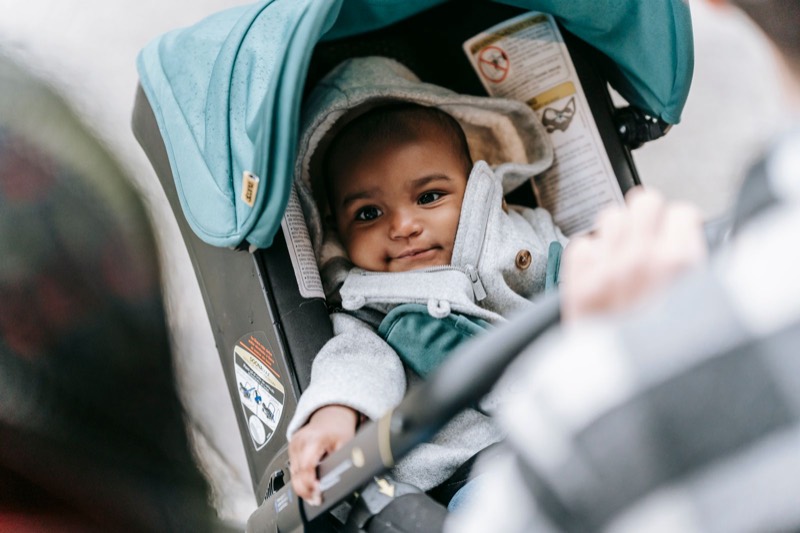 StrollersBest Stroller Travel Systems: Car Seat and Stroller CombosTravel systems from Graco, Chicco, Baby Trend and Doona compared on car seat limits, stroller modes, weight and price, with NHTSA and CPSC rules for car seat strollers.
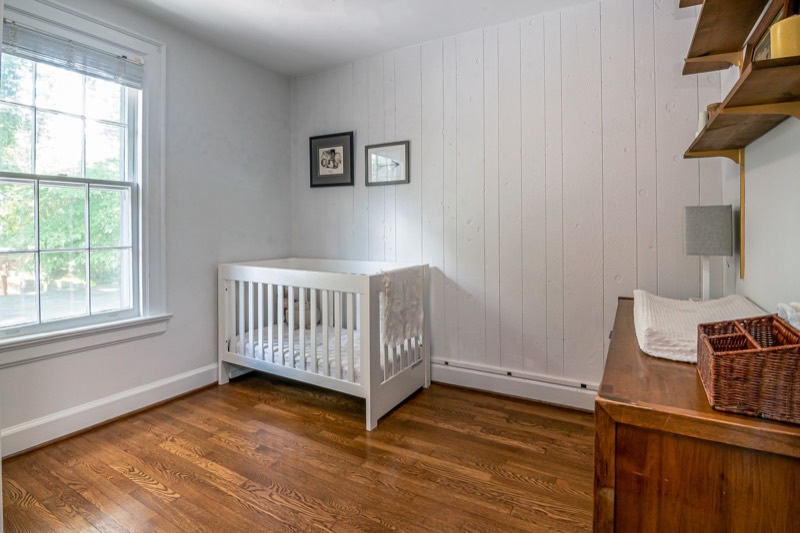 NurseryBest Cribs: Convertible and Budget Picks That Meet the Federal StandardConvertible cribs from Graco, Dream On Me, Delta Children and Babyletto compared on conversions, size and price, with the CPSC's crib rules and safe sleep basics.
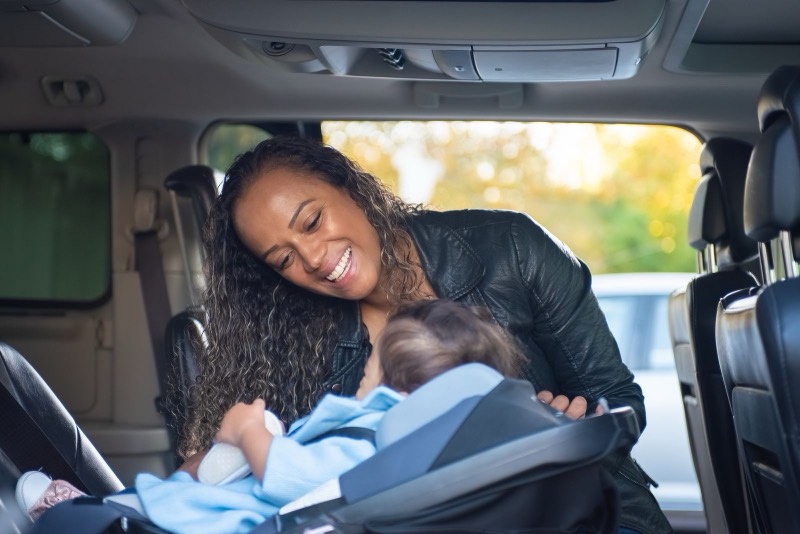 Car SeatsBest Car Seats: Infant, Convertible and All-in-One PicksCar seats from Graco, Chicco and Safety 1st compared on rear-facing limits, weight and price, with NHTSA's rules for rear-facing, installing and replacing a seat.
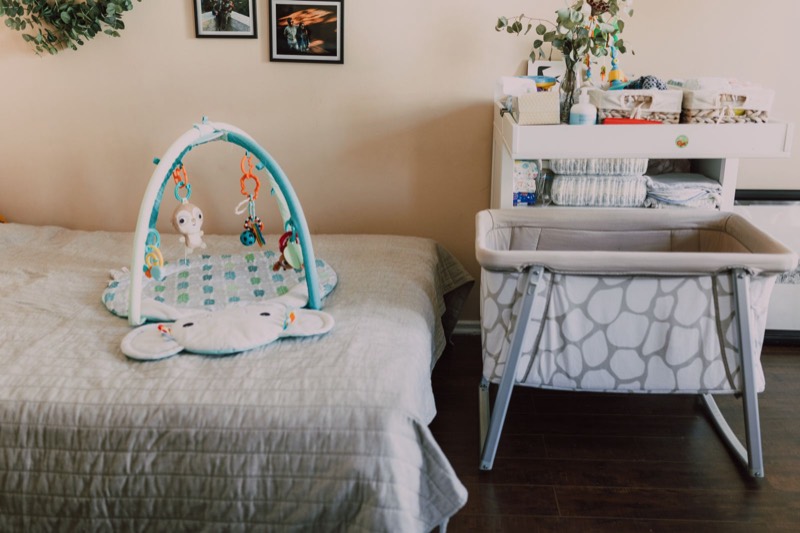 NurseryBest Bassinets: Bedside, Portable and Play Yard PicksBassinets from Dream On Me, HALO, Graco and Chicco compared on height, weight limit, portability and price, with the CPSC bassinet rule and AAP room-sharing advice.
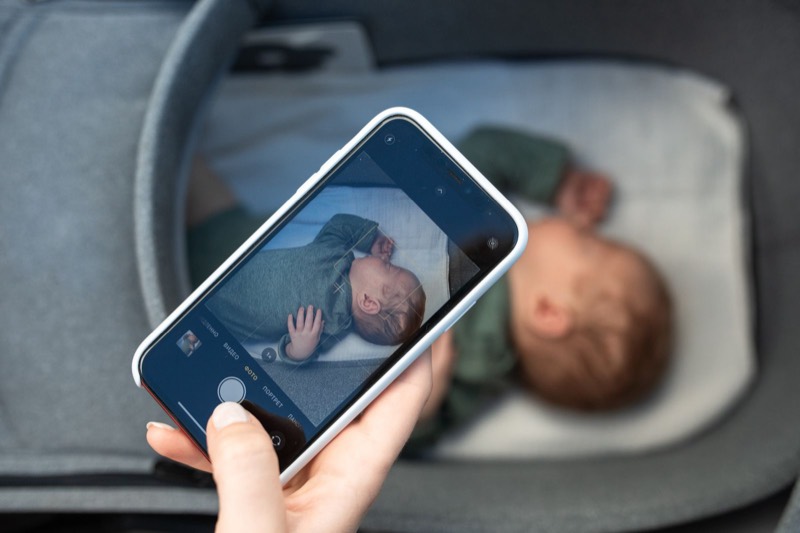 NurseryBest Baby Monitors: Video, Audio and WiFi PicksBaby monitors from Infant Optics, HelloBaby, VTech and Nanit compared on screen, range, WiFi and price, with the CPSC's three-foot rule for monitor cords.
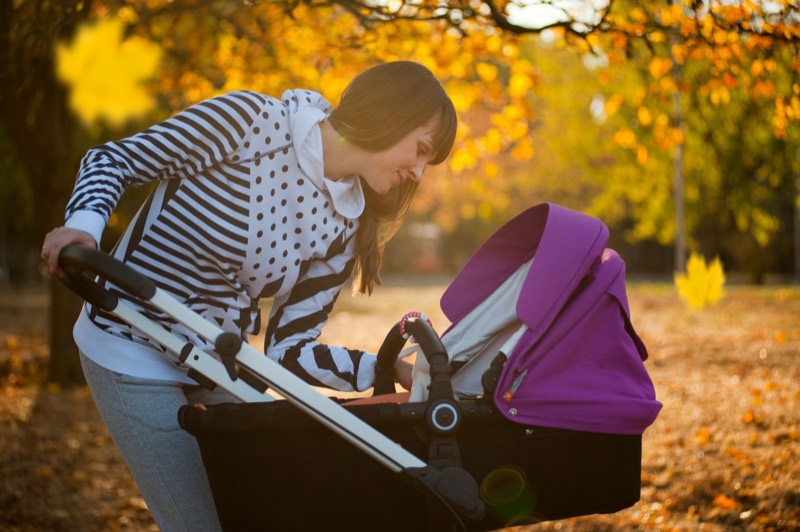 StrollersBest Strollers: Full-Size, Lightweight, Travel and Jogging PicksStrollers from Graco, Summer, Ingenuity, Baby Trend and Baby Jogger compared on weight, fold size, weight limits and price, with the hazards the CPSC's stroller rule targets.
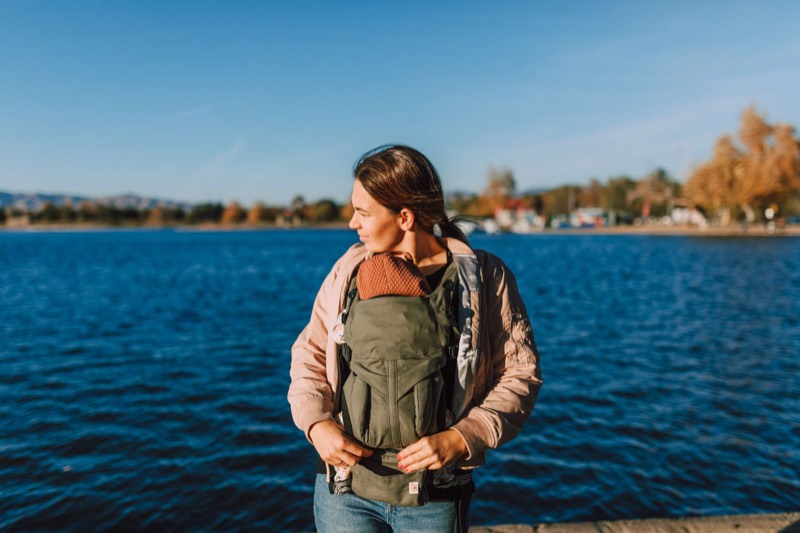 CarriersBest Baby Carriers: Buckle Carriers, Wraps and Ring SlingsBaby carriers from Ergobaby, Infantino and Boba compared on weight range, carry positions and price, with the CPSC's sling safety tips for young babies.
 FeedingBest High Chairs: Compact, Convertible and Easy-Clean PicksHigh chairs from Graco, Evenflo, Cosco, Ingenuity and Baby Trend compared on weight limits, folding, cleanup and price, with the CPSC's tips on preventing falls.
Sources
- AAP HealthyChildren: How to Keep Your Sleeping Baby Safe: AAP Policy Explained
- U.S. CPSC: Safe Sleep
- U.S. CPSC: Registration Forms (FAQ)
- NHTSA: Car Seats and Booster Seats
- U.S. CPSC: Two Strangulation Deaths Prompt Summer Infant to Recall Video Baby Monitors with Cords (2011)
- AAP HealthyChildren: Shoes for Active Toddlers