What Is a Stage 2 Car Seat? Car Seat Stages 1 to 4 Explained
You may have seen "stage 2" on a car seat box, a store shelf or a parenting site and wondered what it means. It is shorthand for the second step in the usual car seat sequence. Here is how the stages line up, and what the official guidance says about each.
The Four Stages
| Stage | Seat type | What it is |
|---|---|---|
| Stage 1 | Rear-facing seat | An infant seat or a convertible seat installed facing the back of the car |
| Stage 2 | Forward-facing seat | A seat with a harness, facing the front, held in with the top tether |
| Stage 3 | Booster seat | Raises your child so the vehicle's seat belt fits |
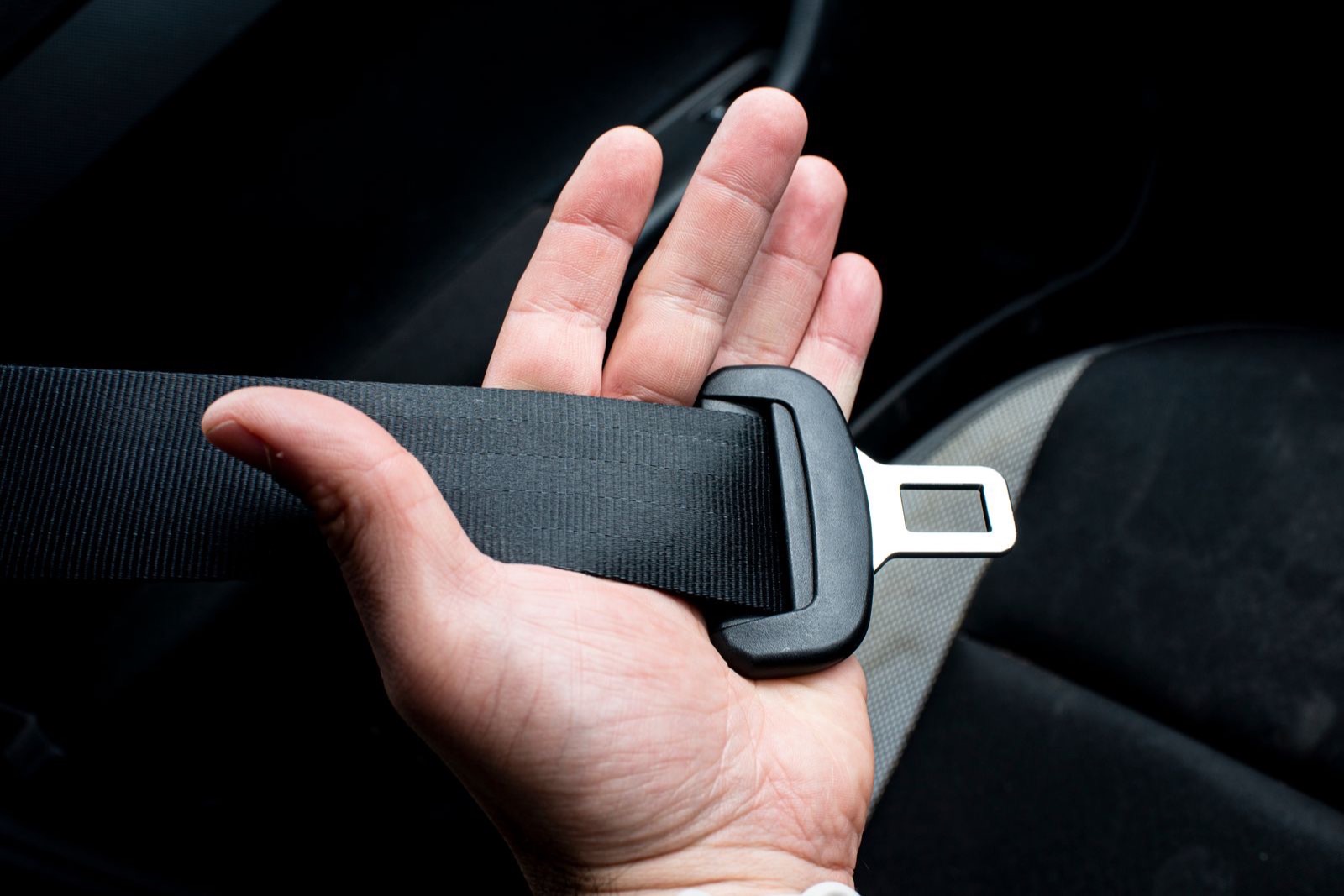
| Stage 4 | Seat belt | The vehicle's lap and shoulder belt, with no extra seat |
The Los Angeles County Department of Public Health and the car seat maker Chicco both use this numbering on their pages. It is common usage and not an official standard. NHTSA, the U.S. traffic safety agency, names the same four steps without numbers.
What a Stage 2 Seat Is
A stage 2 seat is a forward-facing seat with a built-in harness. It is the step after your child outgrows the rear-facing limits of their seat. NHTSA says a forward-facing seat has a harness and tether that limit your child's forward movement in a crash, and that you should keep your child in it until they reach the top height or weight limit of the seat. Always use the top tether with a forward-facing seat.
Many seats cover more than one stage. A convertible seat rides rear-facing and then forward-facing, and an all-in-one seat adds a booster mode, so one purchase can cover stages 1, 2 and 3. Our convertible car seat guide compares them.
When to Move up
The American Academy of Pediatrics 2018 policy gives the timing: rear-facing as long as possible, then forward-facing with a harness for most children through at least age 4, then a booster for most through at least age 8, then the seat belt. It also says every transition is associated with some decrease in protection, so parents should delay each move for as long as possible.
NHTSA ties each move to the seat's own limits: stay rear-facing until the top rear-facing limit, stay in the harness until the forward-facing limit, and stay in a booster until the seat belt fits. The belt fits when the lap belt lies snugly across the upper thighs, not the stomach, and the shoulder belt crosses the shoulder and chest. Both agree that children belong in the back seat, the AAP under 13 and NHTSA through at least age 12.
Common Questions
Is Stage 2 an Official Term?
No. We found it used by a county health department and by a car seat maker, but NHTSA and the AAP describe the steps by seat type and do not number them. If a shop or a box uses a different number, look at the seat type and the limits on the label.
Does the Stage Depend on Age?
Mostly on size. The AAP gives minimum ages for the forward-facing and booster stages, and NHTSA ties each move to your seat's height and weight limits, which are printed on the label and in the manual. Check both.
Are Car Seat "Groups" the Same Thing?
Not exactly. Some countries label seats by groups or sizes instead of stages. This article covers the U.S. guidance, so check local rules if you live elsewhere.
Where to Go Next
Enter your child's age and size in our car seat stage finder to see which step NHTSA recommends. Our article on the AAP's car seat stages explains the policy in more detail, and our Graco car seat comparison maps one brand's seats to each step. A certified child passenger safety technician can check your installation, often for free.
Shopping for One?
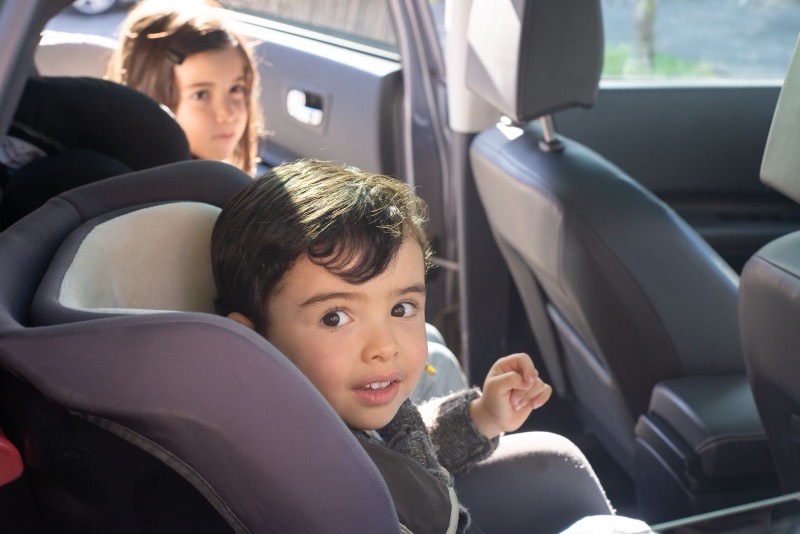 Car SeatsBest Convertible Car Seats for Babies and ToddlersConvertible and all-in-one car seats from Graco, Safety 1st and Cybex compared on rear-facing limits, booster modes and price, with NHTSA's rear-facing advice.
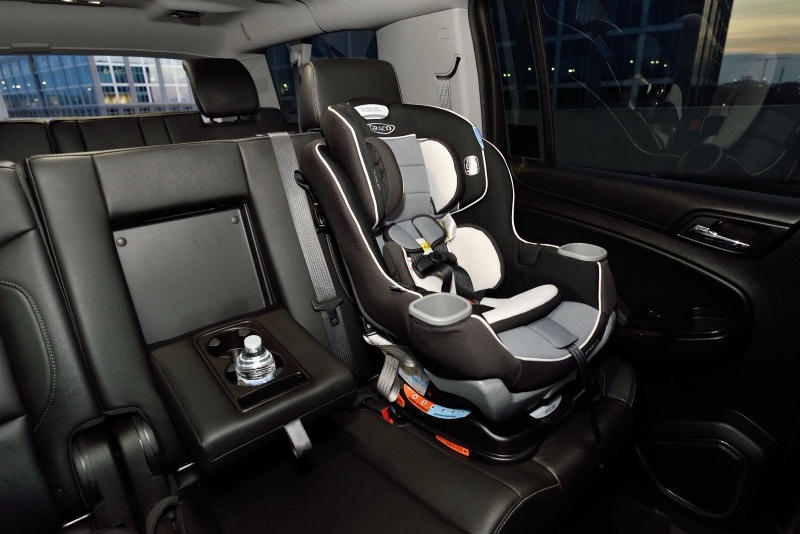 Car SeatsGraco Car Seats: Every Type Compared by NHTSA StageSix Graco car seats compared on rear-facing limits, booster modes, weight and price: SnugRide, Extend2Fit, SlimFit, 4Ever, Tranzitions and TurboBooster, matched to NHTSA's stages.
 Car SeatsBest Car Seats: Infant, Convertible and All-in-One PicksCar seats from Graco, Chicco and Safety 1st compared on rear-facing limits, weight and price, with NHTSA's rules for rear-facing, installing and replacing a seat.
Sources
- LA County Department of Public Health: Child Passenger Safety, Car Seat Overview
- Chicco USA: Car Seat Stages, Child Age, Weight & Height Chart
- NHTSA: Car Seats and Booster Seats
- Durbin DR, Hoffman BD: Child Passenger Safety. Pediatrics 2018 (AAP policy statement)
Updates to This Page
- : Published.