Stroller and Carrier Injuries: What 20 Years of ER Data Show
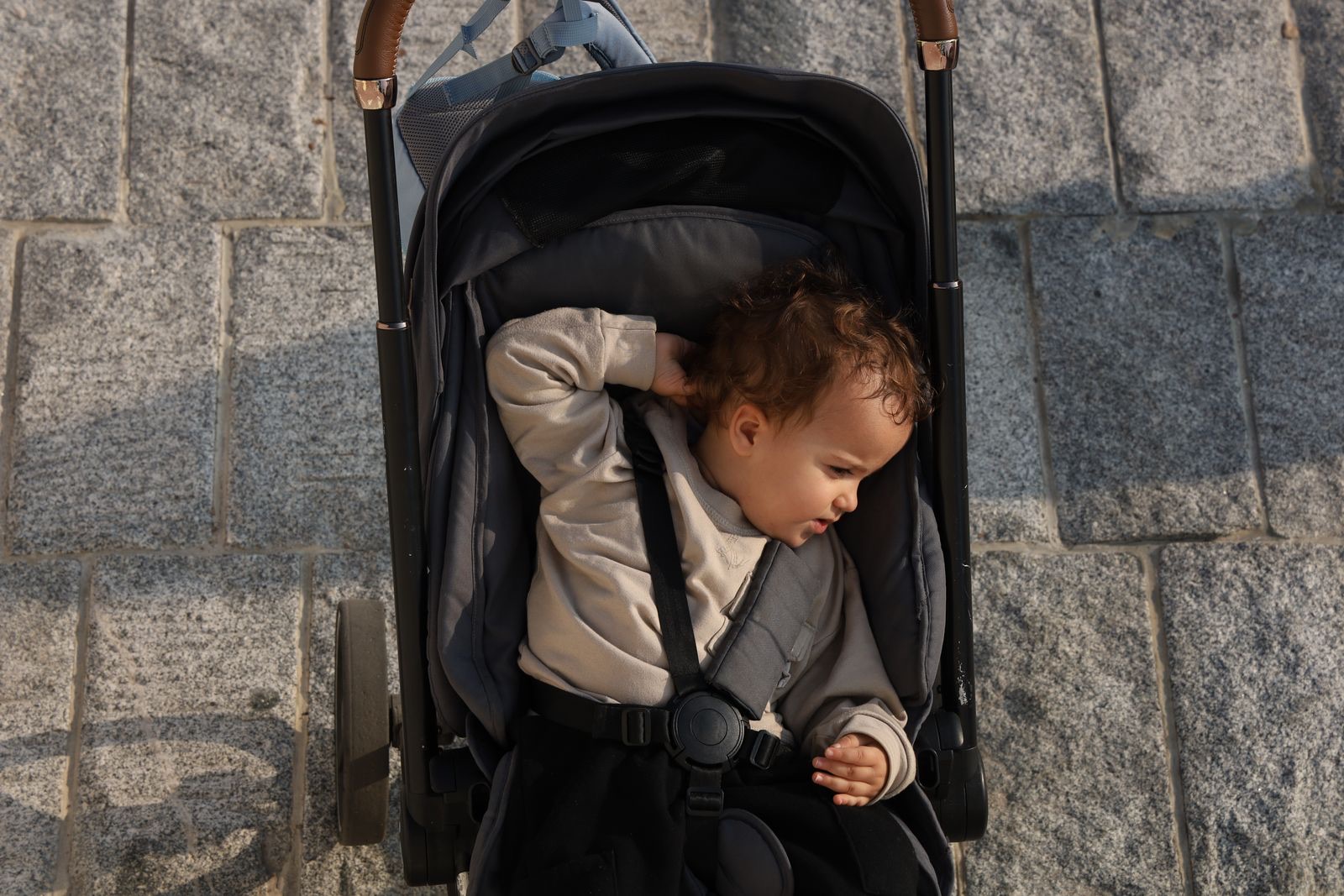
Strollers and carriers feel like the safe part of a walk. Two studies of US emergency room data show where children actually get hurt. Both use the U.S. Consumer Product Safety Commission's injury surveillance system, and we read their abstracts.
The Numbers
A 2016 study in Academic Pediatrics by Elizabeth Fowler and colleagues counted children aged 5 and younger treated in emergency rooms for stroller- or carrier-related injuries from 1990 to 2010. The estimate was 360,937 children, an average of 17,187 a year. The rate of these injuries fell significantly over the 21 years, but the authors still call the yearly total considerable.
| Strollers | Carriers | |
|---|---|---|
| Children under 1 year | 42.0% | 89.0% |
| Head injured | 43.0% | 61.5% |
| Face injured | 31.0% | 24.7% |
| Soft tissue injury | 39.4% | 48.1% |
| Traumatic brain injury or concussion | 24.6% | 34.9% |
| Admitted to hospital | 2.4% | 6.5% |
The authors say the injuries in question came mainly from falls from the product and from tip-overs.
Falls from the Stroller
An earlier study in Pediatrics by Elizabeth Powell and Robert Tanz looked at children 3 and younger from 1994 to 1998. It estimated 64,373 stroller injuries in those five years. The median age was 11 months, and 76% of injuries came from a fall out of the stroller. A motor vehicle was involved in fewer than 1% of cases. Head (44%) and face (43%) injuries dominated, and about 2% of the children were admitted, 70% of those for head trauma.
The authors concluded that the data suggest using the restraint would prevent many stroller injuries. The abstract does not say how many of the injured children were unbuckled, so that is their inference and not a measured result.
What the Studies Do Not Tell Us
- They count emergency room visits only. Minor falls treated at home are not in the numbers.
- The data end in 2010. Stroller and carrier standards have changed since, and we did not read newer studies.
- They do not rank products. Neither abstract says that one brand or type was safer.
What This Means in Practice
- Buckle the harness every time, even for short trips. Falls out of the stroller were the largest group in the 2002 data.
- Take extra care with babies under 1 in a carrier, since nearly 9 in 10 carrier injuries were in that age group and they led to more hospital stays.
- Watch for tip-overs. Heavy bags hung on the handles, a child leaning out and pushing across curbs are everyday ways a stroller can tip.
Our stroller guide and umbrella stroller guide note each pick's restraint and stability details, and our baby carrier guide covers fit. For the carrier safety checks, see our babywearing safety article, and for how the federal rules apply, see how to choose a stroller.
Putting the Numbers Together: A Worked Example
An average of 17,187 injuries a year is about 47 children a day treated in an emergency room for a stroller or carrier injury. Carrier injuries led to hospital stays in 6.5% of cases and stroller injuries in 2.4%, about 2.7 times as often. Those percentages compare injured children, so they show how serious the injuries were once they happened, not which product is safer to use.
Stroller and Carrier Questions
Is a Stroller or a Carrier Safer?
The studies cannot say. They count injured children and do not measure how often each product is used, so a safer product cannot be named from them.
Does the Harness Really Prevent Injuries?
The 2002 authors say their data suggest it would prevent many stroller injuries, since 76% were falls from the stroller. That is their inference. The abstract does not say how many of the children were unbuckled.
Do Newer Strollers Have Fewer Injuries?
The 2016 study found the rate of stroller and carrier injuries fell significantly from 1990 to 2010. It did not say why. Our stroller buying article covers the federal stroller standard.
What Is the Quickest Habit to Adopt?
Buckle the harness every time, and keep heavy bags off the handles so the stroller does not tip. Tip-overs and falls are the injuries the researchers singled out.
Shopping for One?
 StrollersBest Umbrella Strollers: Light, Cheap and Compact PicksUmbrella and lightweight strollers from Summer, Kolcraft, Ingenuity, Dream On Me and gb compared on weight, harness, weight limit and fold size.
 StrollersBest Strollers: Full-Size, Lightweight, Travel and Jogging PicksStrollers from Graco, Summer, Ingenuity, Baby Trend and Baby Jogger compared on weight, fold size, weight limits and price, with the hazards the CPSC's stroller rule targets.
 CarriersBest Baby Carriers: Buckle Carriers, Wraps and Ring SlingsBaby carriers from Ergobaby, Infantino and Boba compared on weight range, carry positions and price, with the CPSC's sling safety tips for young babies.
Sources
- Fowler E, et al.: Injuries Associated With Strollers and Carriers Among Children in the United States, 1990 to 2010. Acad Pediatr 2016
- Powell EC, Tanz RR: Incidence and description of stroller-related injuries to children. Pediatrics 2002
Updates to This Page
- : Added a worked example of the figures and answers on stroller versus carrier risk, the harness and newer strollers.
- : Published.