Can Babies Sleep in a Swing? What the CPSC and AAP Say
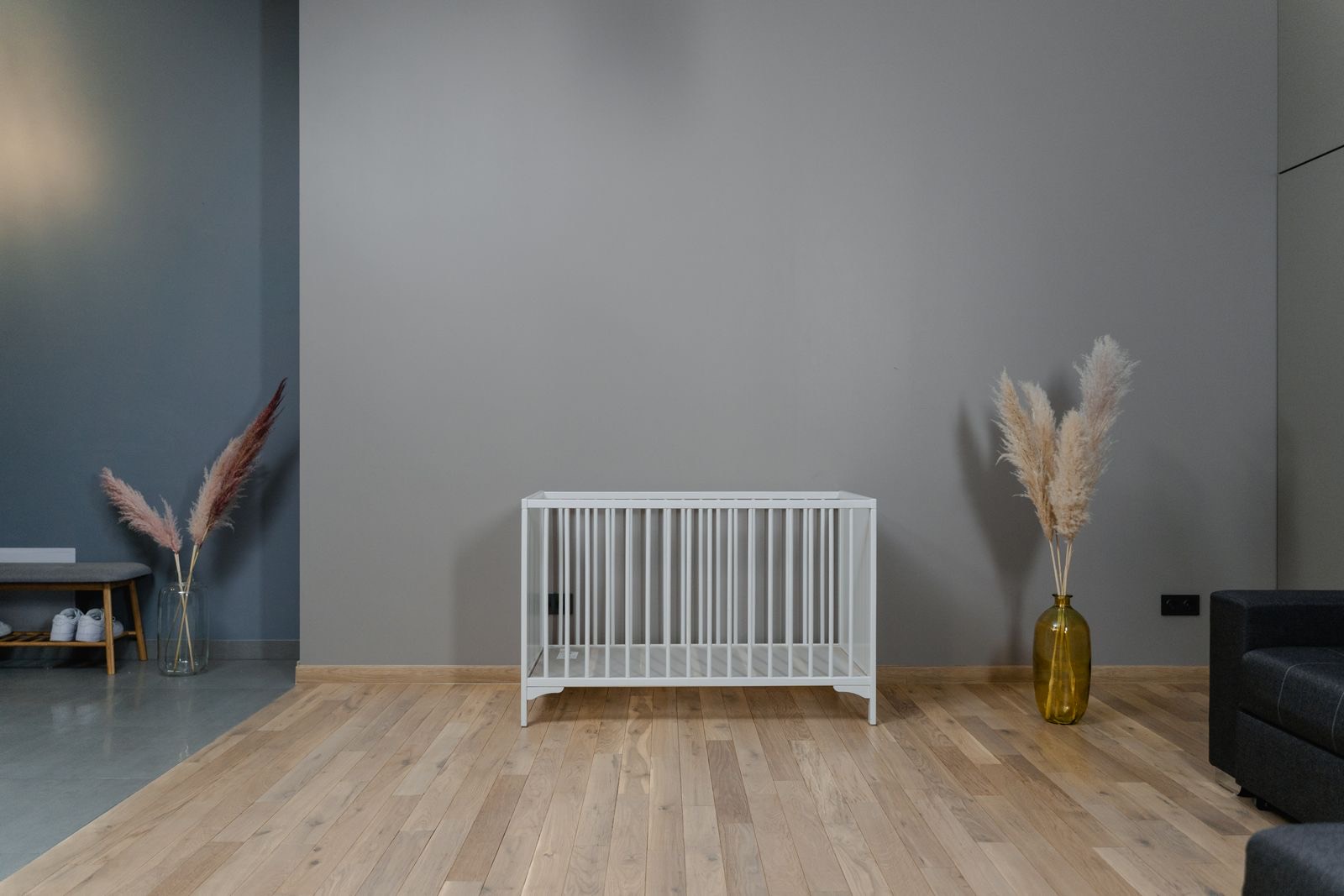
A swing can help calm a fussy baby, and it's easy to let them nap there once they drift off. The U.S. Consumer Product Safety Commission (CPSC) and the American Academy of Pediatrics (AAP) both say not to. Here's why, and how to use a swing safely while your baby is awake.
Why a Swing Isn't a Safe Place to Sleep
The CPSC explains that many young babies can't lift their heads to move away from something blocking their breathing, and that a seated or semi-reclined position can let a baby's head tip forward, closing off the airway. Swings, rockers, gliders and soothers all hold a baby at an angle.
Both the CPSC and the AAP draw the line at 10 degrees: a product that inclines more than that isn't safe for sleep. Cribs, bassinets and play yards have flat sleep surfaces under their federal standards.
Recalled Inclined Sleepers
The CPSC's safe sleep page lists two reannounced recalls of inclined sleepers: Fisher-Price's 4.7 million Rock 'n Play Sleepers, with at least eight deaths after the recall, and 694,000 rocking sleepers from Kids2, with four more deaths after its recall. If you have an inclined sleeper, check CPSC.gov for recalls and don't use it for sleep.
When Your Baby Falls Asleep in the Swing
- Turn the swing off and unbuckle. Don't wait for a deeper sleep.
- Move your baby to a flat sleep space. The AAP says to move a baby who falls asleep in a car seat, stroller, swing, carrier or sling to a firm sleep surface as soon as possible.
- Place them on their back. The AAP recommends back sleeping for every nap and at night.
- Keep the space bare. The CPSC's "Bare is Best" means only a fitted sheet, with no blankets, pillows or bumpers.
If your baby wakes when moved: that's frustrating, but the advice from the CPSC and AAP doesn't change. Settle them again in the crib or bassinet rather than back in the swing.
Using a Swing Safely While Awake
- Buckle the harness every time. The federal swing standard includes restraint requirements, and the harness only works when it's fastened.
- Stay close. The CPSC says not to leave a baby unsupervised in products that aren't designed for sleep.
- Watch the limits. Under the CPSC's rule, seated swings are for babies until they try to climb out, at about 9 months, and cradle swings until a baby pushes up on hands and knees, at about 5 months. Your swing's manual also gives a weight limit.
Our baby swings guide compares five swings on weight limits and features, and our guides to bassinets and cribs cover the flat sleep spaces to move your baby to.
Shopping for One?
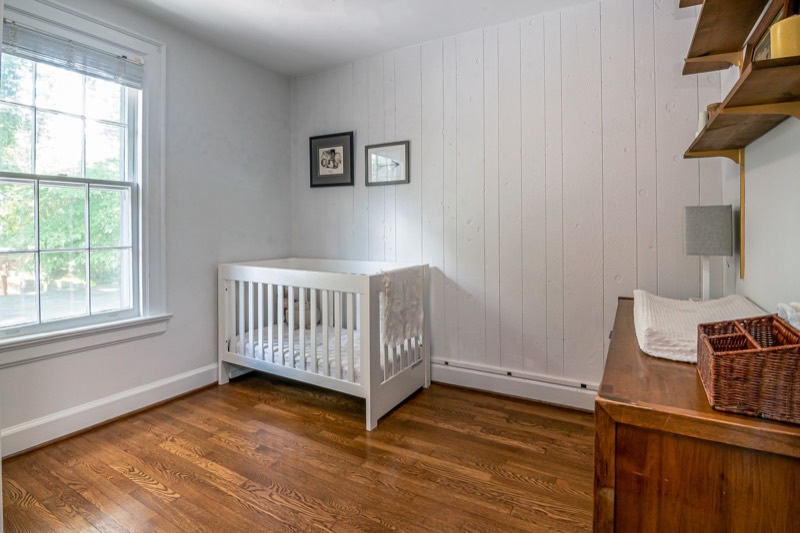 NurseryBest Cribs: Convertible and Budget Picks That Meet the Federal StandardConvertible cribs from Graco, Dream On Me, Delta Children and Babyletto compared on conversions, size and price, with the CPSC's crib rules and safe sleep basics.
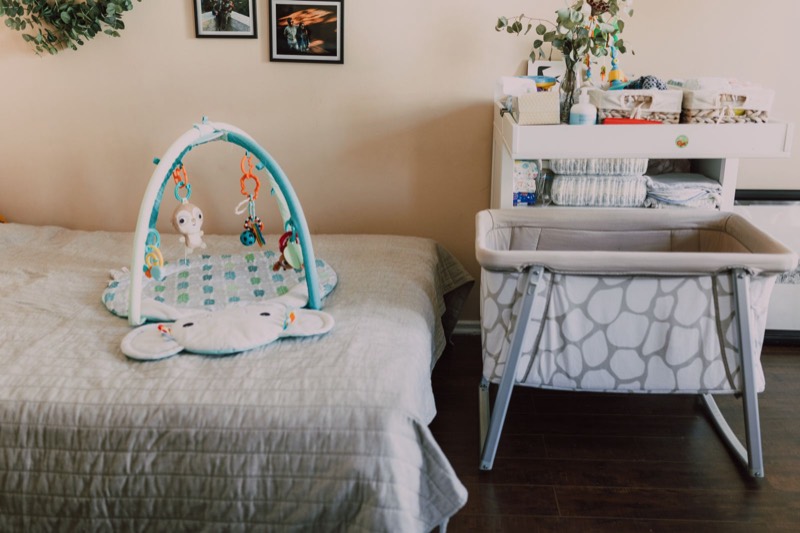 NurseryBest Bassinets: Bedside, Portable and Play Yard PicksBassinets from Dream On Me, HALO, Graco and Chicco compared on height, weight limit, portability and price, with the CPSC bassinet rule and AAP room-sharing advice.
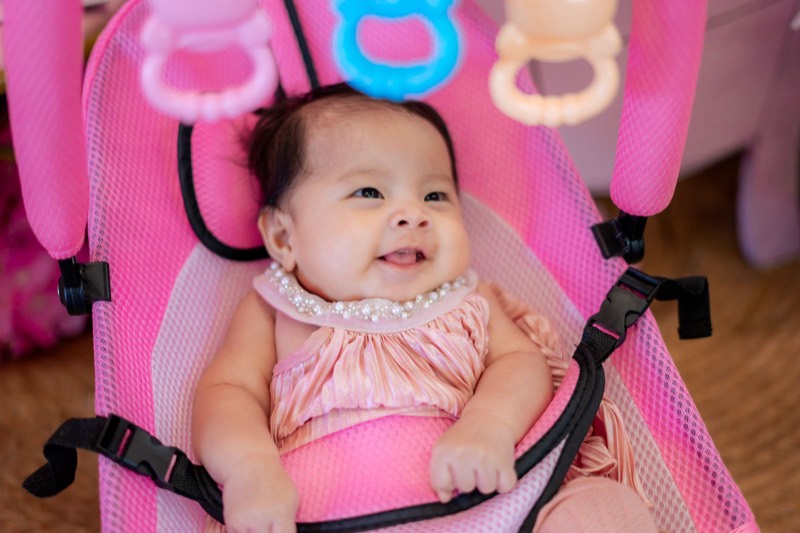 Swings & BouncersBest Baby Swings: Compact, Portable and Multi-Motion PicksBaby swings from Graco, Ingenuity and Bright Starts compared on weight limits, size, power and motion, with the CPSC's rule that swings are not for sleep.