The AAP's 2022 Safe Sleep Policy: What It Recommends and Why
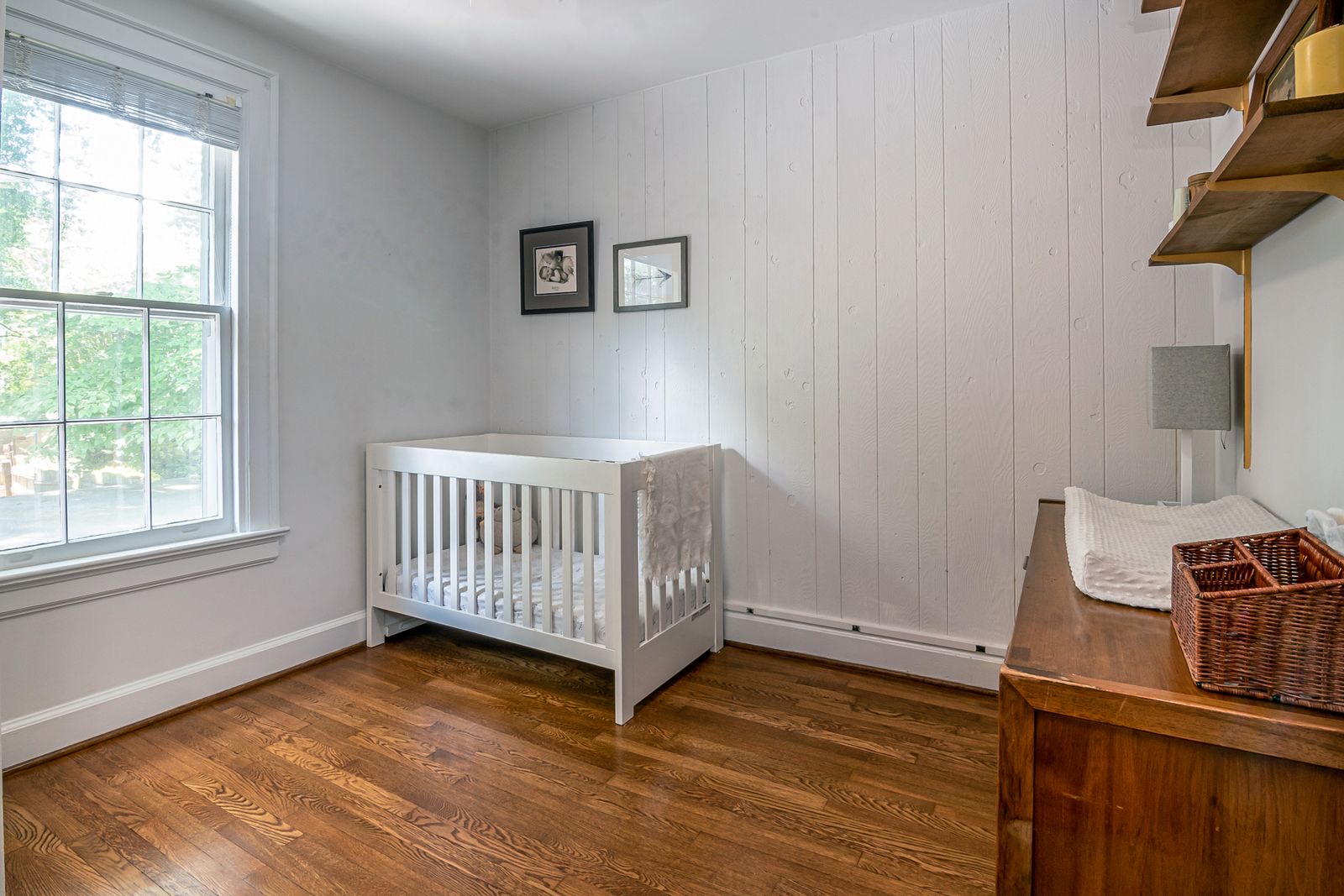
Most baby gear exists to make life easier. Sleep gear has a different job, and the stakes are higher. The American Academy of Pediatrics (AAP) published an updated policy statement in 2022, written by Rachel Moon and colleagues in Pediatrics, with a separate technical report that sets out the evidence. We read the abstract of the policy, and here is what it says.
How Big the Problem Is
The policy says that each year in the United States, about 3,500 infants die of sleep-related infant deaths. The term covers sudden infant death syndrome (SIDS), deaths with an unclear cause and accidental suffocation and strangulation in bed. After a substantial fall in the 1990s, the death rate has been stagnant since 2000, and the policy says disparities persist.
The Triple Risk Model
The AAP explains SIDS with a "triple risk model." It proposes that SIDS happens when three things meet: an infant with an intrinsic vulnerability, often shown by weak arousal or breathing and heart responses, an outside trigger, such as an unsafe sleeping environment, and a critical stage of development. Parents cannot see the first factor. They can control the second, and that is the reason for the rules below.
The Core Recommendations
- Supine position. Put your baby to sleep on their back.
- A firm, noninclined surface. A flat, firm mattress, as in a crib, bassinet or play yard. Inclined products are the subject of our article on swings and sleep.
- Room sharing without bed sharing. Keep the baby's sleep space in your room, but not in your bed.
- No soft bedding, and no overheating. Keep pillows, blankets and bumpers out of the sleep space.
Other Ways to Lower SIDS Risk
- Human milk feeding.
- Avoiding exposure to nicotine, alcohol, marijuana, opioids and illicit drugs.
- Routine immunization.
- Using a pacifier.
What the 2022 Update Added
The abstract says the update presents new recommendations on noninclined sleep surfaces, short-term emergency sleep locations, cardboard boxes as a sleep location, bed sharing, substance use, home cardiorespiratory monitors and tummy time. It also adds information to help parents and clinicians judge the risk of specific bed-sharing situations. We read only the abstract, not the full statement or the technical report, so we name these topics without describing what the AAP says about each. Read the policy itself before you act on any of them.
What This Means for Buying Gear
Gear that meets the first two rules is simple: a firm, flat mattress that fits its frame. That is what our guides compare in cribs, bassinets and crib mattresses. Extra features such as motion, sound or a tilt do not make a surface safer. If a product is inclined, treat it as for awake time.
This is not medical advice. Your baby's doctor can tell you what applies to your family, including whether your baby has a condition that changes the advice.
Shopping for One?
 NurseryBest Crib Mattresses: Firm, Tight-Fitting and Waterproof PicksCrib mattresses from Graco, Newton, Sealy and Serta compared on firmness, size, cover and price, with the CPSC crib mattress rule and AAP safe sleep advice.
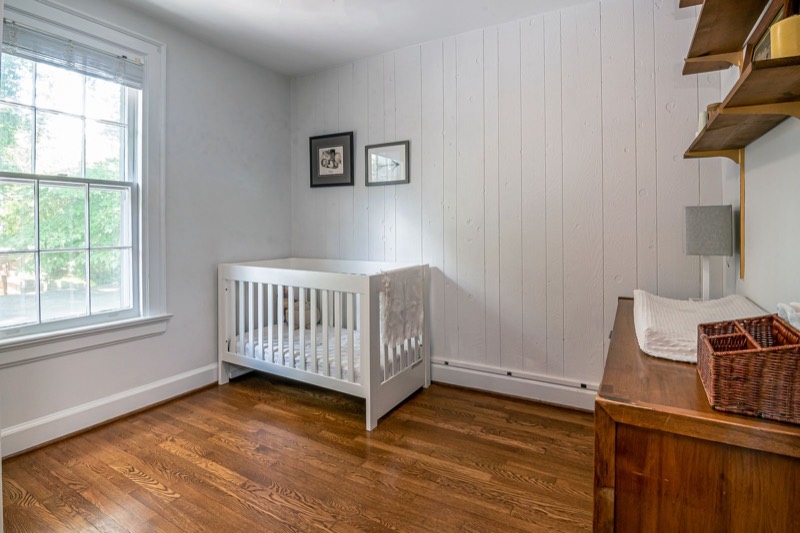 NurseryBest Cribs: Convertible and Budget Picks That Meet the Federal StandardConvertible cribs from Graco, Dream On Me, Delta Children and Babyletto compared on conversions, size and price, with the CPSC's crib rules and safe sleep basics.
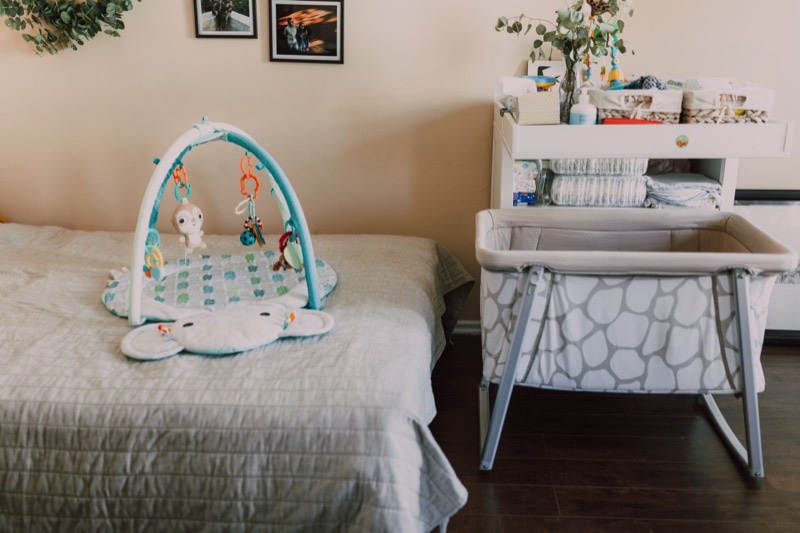 NurseryBest Bassinets: Bedside, Portable and Play Yard PicksBassinets from Dream On Me, HALO, Graco and Chicco compared on height, weight limit, portability and price, with the CPSC bassinet rule and AAP room-sharing advice.